Call for applications to Interdisciplinary Academy (IDA)
The fifth call for applications to SLU's Interdisciplinary Academy (IDA) (2026-2027) is now open. Here are all details about the call and important dates.
Tracking climate shocks to build future resilience
What can past climate extremes teach us about resilience? Researchers at SLU’s Interdisciplinary Academy (IDA) 2025-2026 are studying long-term data on climate, farming, soils, and society to uncover patterns that could help us adapt to future challenges.
Food & Cities
Food & Cities is a collaboration between SLU Future Food and SLU Urban Futures. The project seeks to identify knowledge gaps and cross-disciplinary research questions and investigates how a long-term thematic focus on food and cities could be established at SLU.
Growing a broad set of crops does not threaten food security
Crop rotations with a broad set of crops can produce more calories and nutrients than growing only cereals year after year. This result of an international study led by SLU challenges the common argument that diverse crop rotations produce less food.
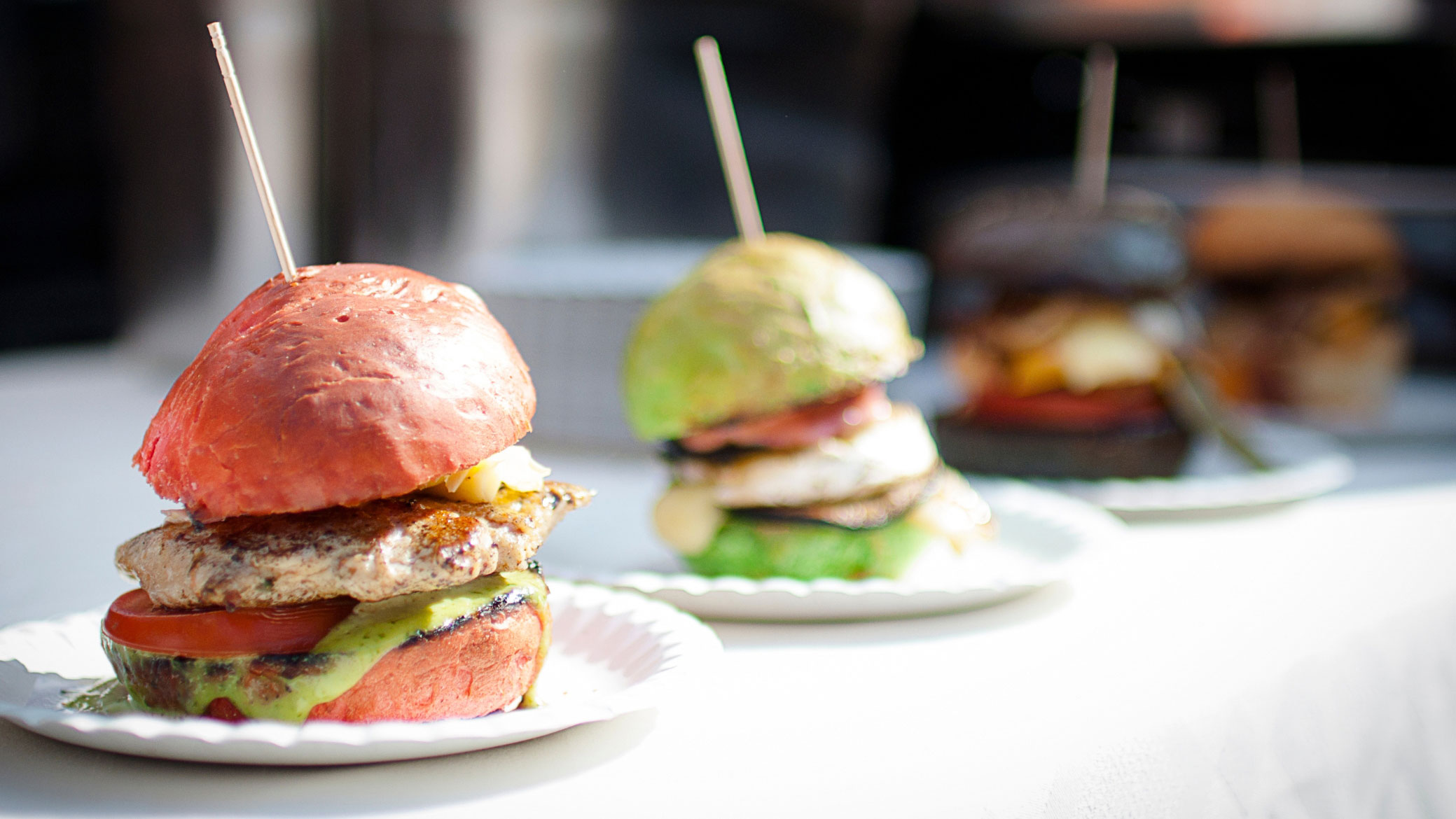
Meat: the Four Futures
Are our choices in the grocery store based on facts, values, habits, or simply a gut feeling of what feels right? Listen to a podcast that takes a holistic view of the future of meat, exploring four very different future scenarios.

Interdisciplinarity at SLU
One of the most important goals for the Future Platforms is to develop interdisciplinary working methods at SLU by initiating and enabling collaboration across scientific disciplinary boundaries.
News from SLU Future Food
-
How do we create robust cities?
Sweden’s new urban development strategy highlights robust cities as one of three key directions. During the latest webinar in the series Urban landscapes webinar-series, participants discussed how cities can address both current and future challenges. -
Advisers can contribute to simplifying complex farm regulations
The increasing regulatory burden in agriculture creates stress, frustration and costs for many businesses. A new study from SLU highlights how advisers can contribute to simplifying regulations – by serving as a link between farmers and regulatory authorities. -
The war in Ukraine shows that short food supply chains secure food in times of crisis
When crisis strikes, large-scale food supply systems do not always hold. Experiences from Ukraine demonstrate how quickly distribution can break down. A new research project is now being launched to examine how local solutions can strengthen preparedness. -
Gene editing in plant breeding – a precision tool for better potatoes
CRISPR/Cas9 is the most widely used gene-editing tool and enables highly precise modifications of DNA. In plant breeding, it is used to improve important traits such as disease resistance, drought tolerance, and nutritional value. Researcher Matías González works with new genomic techniques. -
How does the war in Ukraine affect global food security?
The war in Ukraine is having an extreme impact on the people of the country. In addition to the enormous suffering and the great need for humanitarian aid, the war has other consequences. One of them is the negative impact on the global food supply.